
Inscription #803
The cave caused to be fashioned by Bhagadeva, son of the teacher Kapila, and the chief Anuḍi,[is given] to the Saṅgha, present and absent.
The cave caused to be fashioned by Bhagadeva, son of the teacher Kapila, and the chief Anuḍi,[is given] to the Saṅgha, present and absent.
The cave of Rakkhita, son of . . . . . . [is given] to the Saṅgha of the four quarters, present and absent.
The cave of the chief Sadila, son of the chief Tissa, son of the chief Roka, [is given] to the Saṅgha of the four quarters, present and absent.

The cave of lord Tissa, son of the lay-devotee Raki, the householder, is given to the Saṅgha of the four quarters, present and absent.
The cave of the chief Aggi, son of the chief Ijhu, [is given] to the Saṅgha.
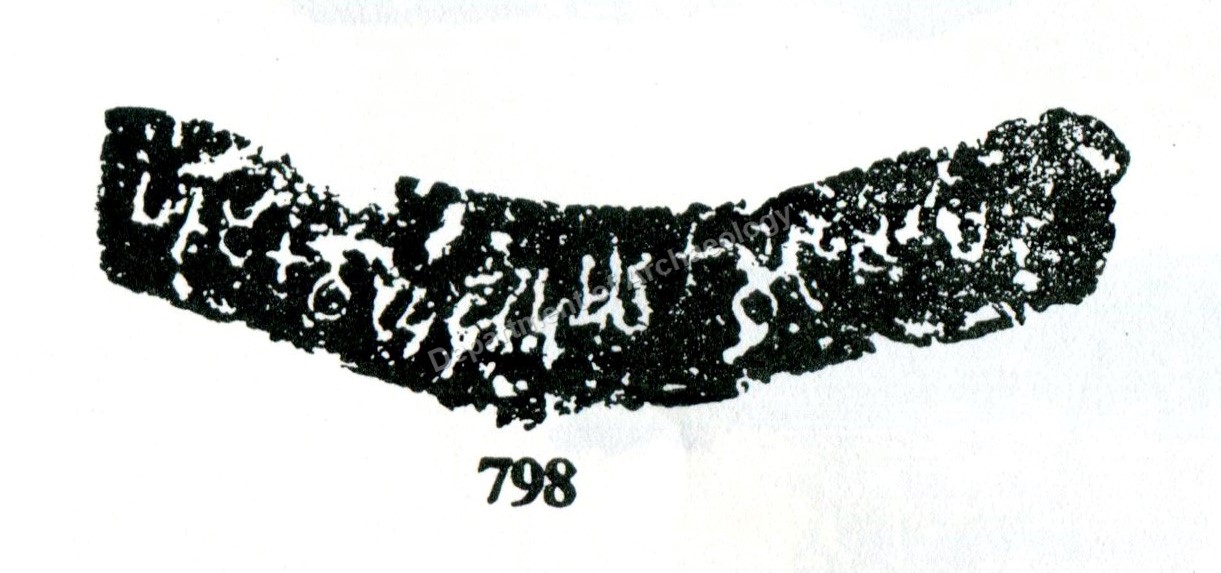
The cave of the chief Vessa, son of the chief Vessa.
The cave of lord Siṇa, of the minister Batagu, and of the village-councillor Siva, [is granted]to the Saṅgha.
A lot in Siva-nagara has been given by Gāmaṇī Siva for the benefit of a monk who resides during the rainy season in this cave.
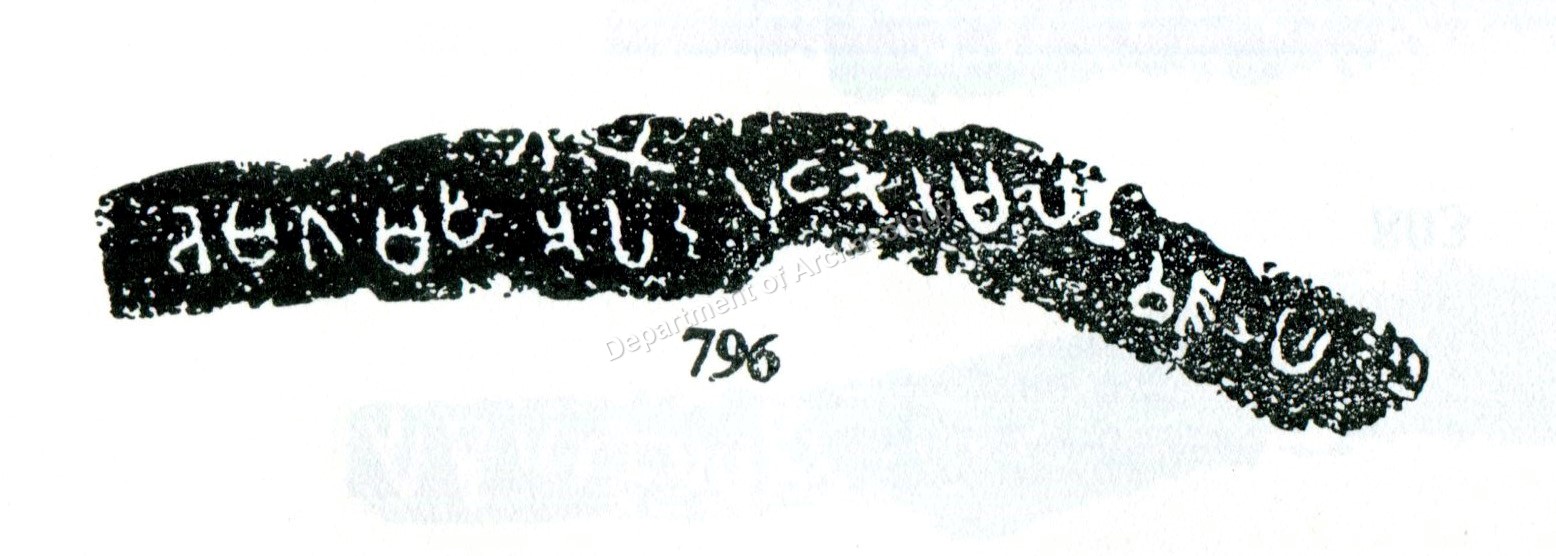
Another lot in Cemagama is belonging to this cave.
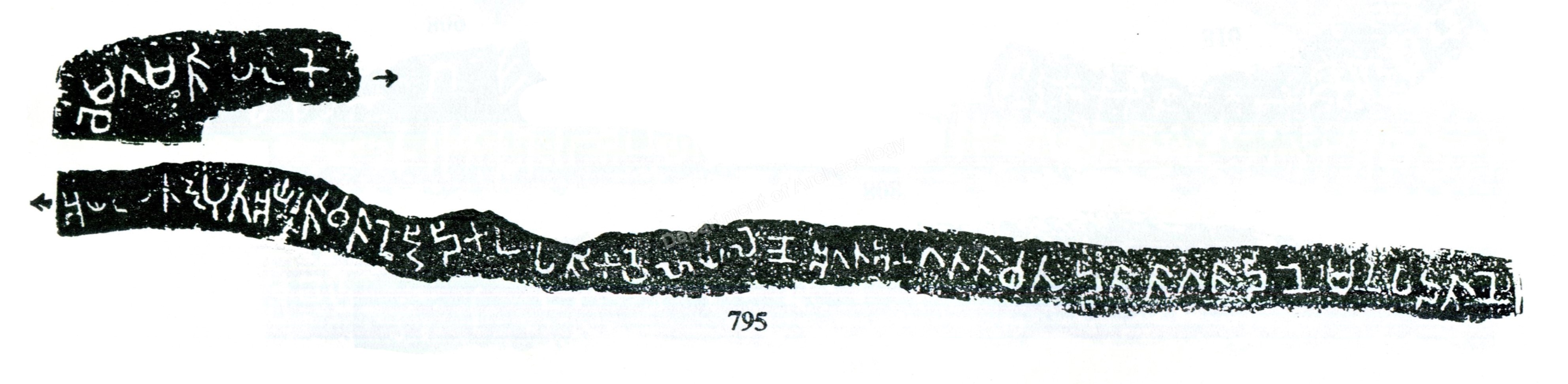
A lot in Cemagama [is given to the cave]. The cave of the female lay-devotee Velu, an inmate of the harem of prince Siva, son of prince Duhatara, is given to t…
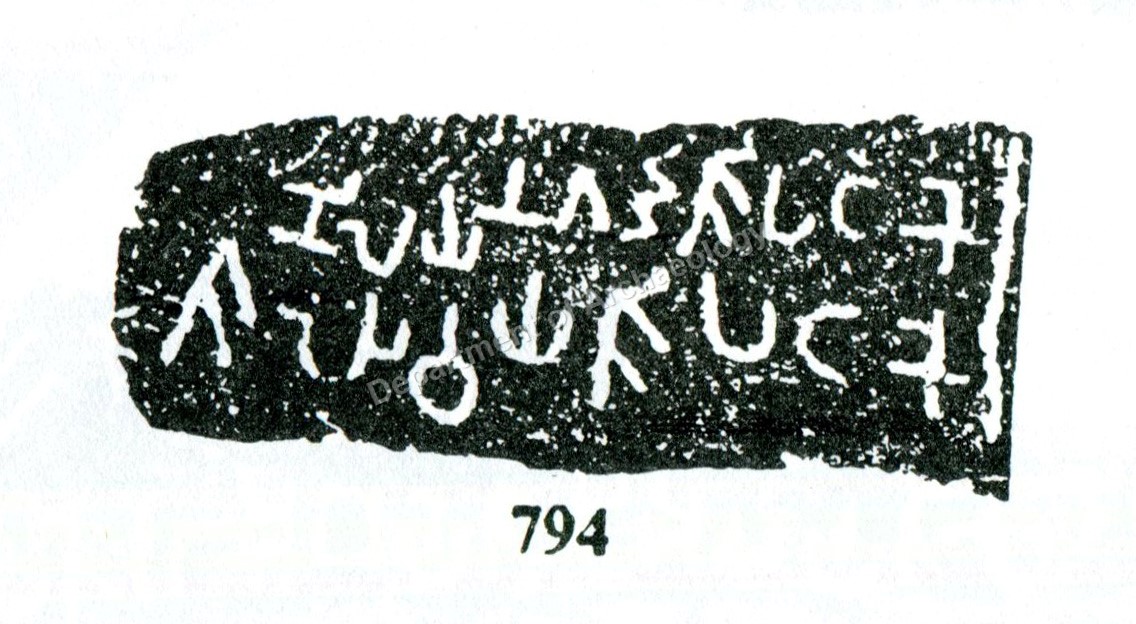
A lot in Nilayanagara ; a lot in Śalivaya.

A lot in Dusatara-game. A lot in Paṭalagama. The gift of Gāmaṇī Siva, for the benefit of a monk who resides during the rainy season in this cave.
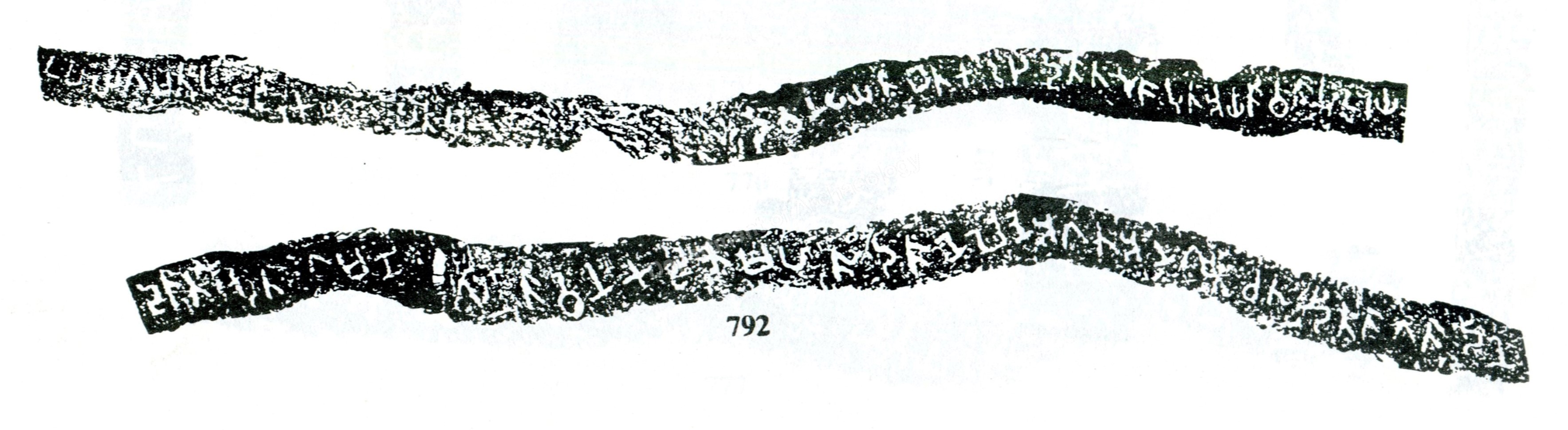
A lot in Upali-gama and a lot in Ka[cara-ga]ma are (granted to the cave). The cave named Mahāsudassana of Gāmaṇī Siva, son of prince Duśatara, son of prince Si…
Two kahāpaṇas of Uttara the officer in charge of canals, . . . . . of the lapidary Phussa . . . . a kahāpaṇa of . . . .
. . . . . . wife of the village-councillor Roṇiguta
The cave of the lay-devotee Tissa.
The cave of the householder Tihali, of the lay-disciple Tissa, and of Mittadeva.
The cave of lord Upatissa, disciple of the elder Suvisākha.
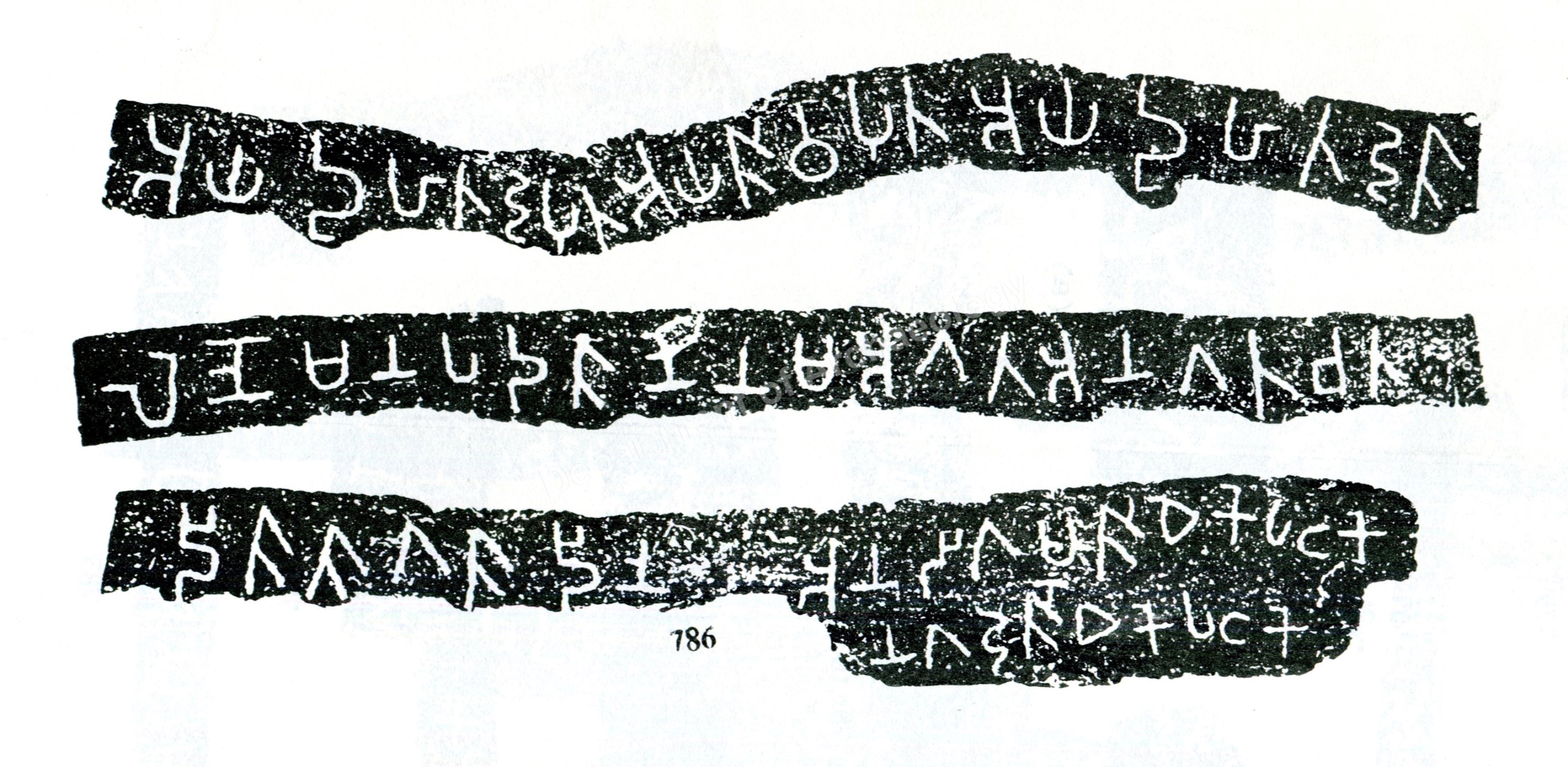
The cave named Manāpadassana of prince Duhatara,, son of prince Siva, son of prince Duhatara, is given to the Saṅgha of the four quarters, present and absent. …
[2] Fragment, only the word parumaka “chief”, is legible.